"How Did This End?" Silent Film Historian Edward Lorusso Champions a Century-Old Medium
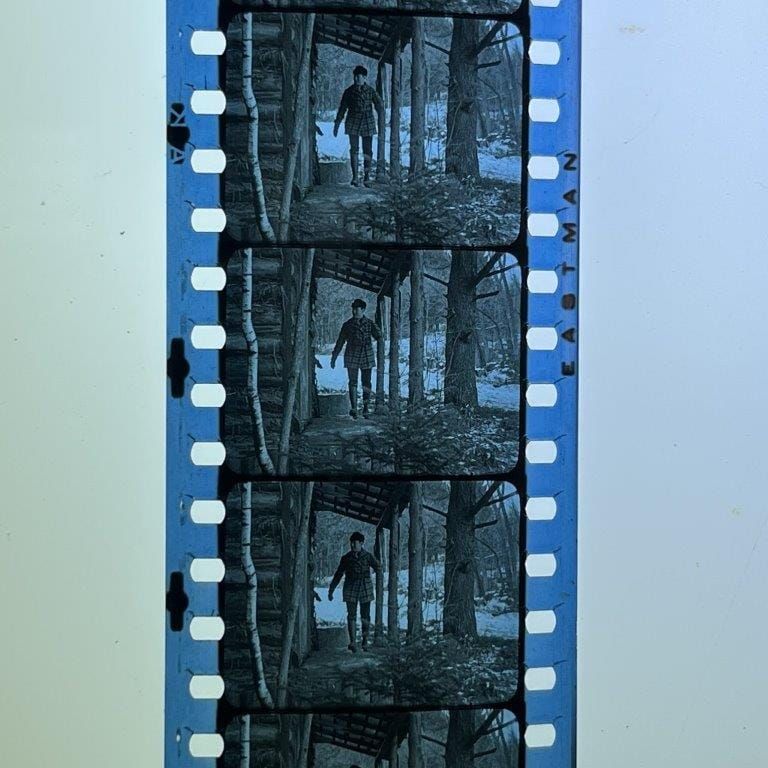
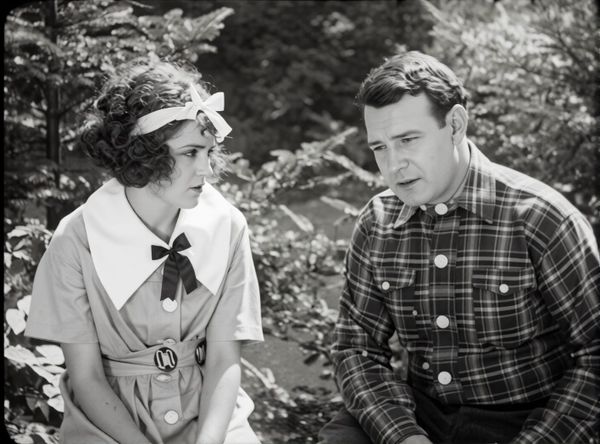
Silent films seemed doomed. They're the larval stage of the media that now has near total purchase on our eyes and brains. Silents, with their uneven film speeds, their accidental jump cuts, their distressed coquettes, over-pronounced moustache twirls and histrionic intertitles, are a kind of shorthand for a silly century-ago time. They are easily, if unjustly, dismissed. And worst of all, the films themselves – the actual, sprocketed nitrate stock on which they were photographed, printed and screened – are falling apart. Turning into vinegary goop. And that's just the ones that weren't melted down for their silver and their plastic.
(Over two decades ago, Bill Morrison elevated that deterioration to a lovely aesthetic with "Decasia." Over three decades ago, Peter Delpeut did the same with "Lyrical Nitrate.")
But! There are people like Edward Lorusso in the world, who are working very hard to (lord forgive me for this…) give silent films a voice. Ed, who lives in central Maine, works with archivists to digitize silent films and restore those versions to something that contemporary audiences can enjoy. And, just as importantly, he put those films in front of audiences, through social media and Blu-ray releases and live screenings. Perhaps he's just postponing an inevitable demise – though it might be argued that everything we mortals do is just postponing an inevitable demise. In the meantime, Ed and people like him are giving an old medium a new kind of currency.
Ed was kind enough to sit with Previous Engagement and share how he engages with silent films made over a hundred years ago.
This interview has been edited for clarity, and split in half. And a tiny portion of that appears in the video below:
Watch this space for part two!
PREVIOUS ENGAGEMENT: How did you start working on restoring silent films?
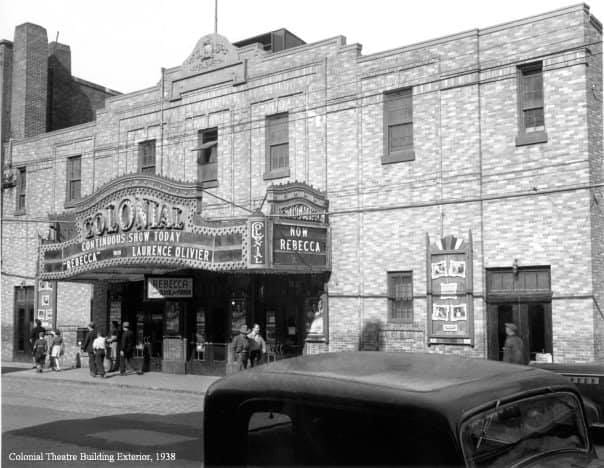
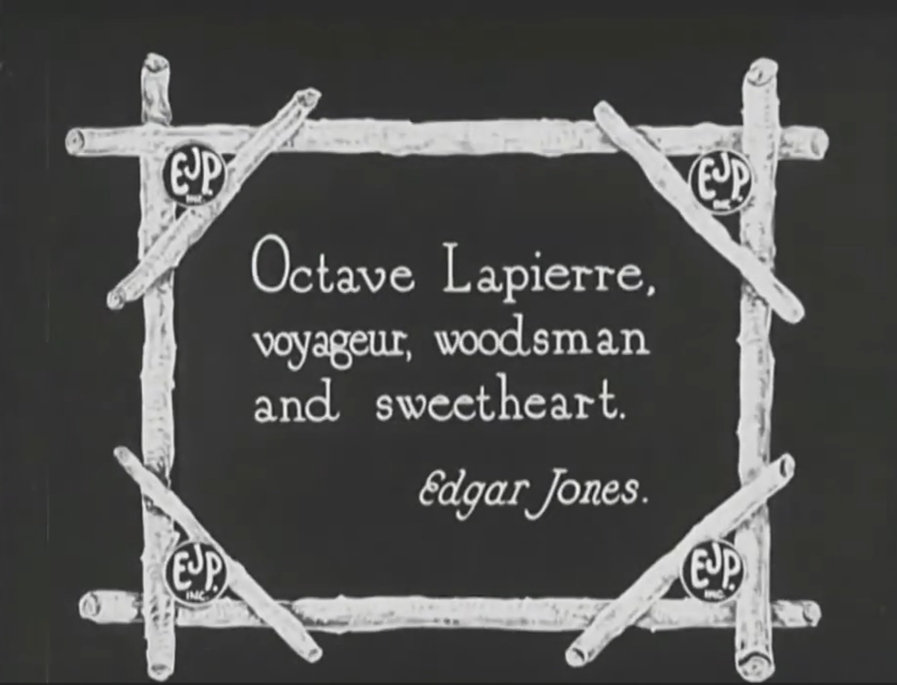
EDWARD LORUSSO: Once I was retired, I decided to follow my interest in silent films. So at first I decided I would just collect silent films, and I learned that you could buy silent films from the Library of Congress. You can actually buy copies of silent films, because it's a public institution. So that led to my buying some films here and there, and then along the way, the Colonial Theater in Augusta [Maine]...back in 2013, they announced that they were going to be open to the public for the first time since the building had closed in 1969, and they had an open house. And I went to that and talked to some people there and learned about Edgar Jones, who was a filmmaker in Augusta in the early years. And I sort of did a deep dive into Edgar Jones and that's become one of my major interests over the last several years. Aside from still collecting films, just various films, and doing Kickstarters and producing restorations and hiring composers, and actually scoring some films myself, and producing a body of silent film work. With no experience, I just sort of came to it and learned what I needed to learn so that I could edit and restore silent films and get them out to the public. I've worked with Turner Classic Movies – I've had six projects on Turner Classic Movies – and have worked with all kinds of amazing people, composers and film restorationists and had my films shown at film festivals all over the country.
PE: Talk me through the process of restoring them.
EL: Well, the process is, first of all, finding something. Because my work is dependent on Kickstarter and funding this whole process, so that I'm not funding it myself. So you need to find a project, whether it's just a well-known title or a film that has some well-known actors in it that you think will appeal to people on Kickstarter. Then, working with the Library of Congress, you find if they have the film, if it's complete, what condition it's in, if there are restrictions on it. A lot of the silent films have donor restrictions that you can go there and watch it, but you can't make a copy of it. Once you get past all of these hurdles, then you have this film, and then the Library of Congress will, for a price, make a digital scan of it. Either 2K or 4K, depending on what needs to be done. And you buy the scan, you get the scan, and you go from there, and work on what needs to be worked on, where it needs to be restored or re-sequenced. Sometimes intertitles need to be replaced, it's missing opening credits. You just take what you've got as this raw material and work with that, and then work with a composer and put the whole thing together.
PE: What are the things that need to be done to restore an old, silent film into something contemporary audiences can view?
EL: The challenge is that most of these films were deposited at the Library of Congress decades ago. The Library of Congress probably has a better record than some of the other archives, as far as decomposition on the films, but the films still degrade over time. It's just the nature of 35-millimeter film. Most of these films, when they were deposited there in the 1970s or whatever, there were no digital scans. So if anything, they might have made a safety copy of it on some kind of acetate, some kind of plastic base, just so that they've got something, or…a negative of it or something so that the 35-millimeter that's sitting in the can, which will continue to degrade and decompose over the years, they've got something set aside from that. And the decomposition can be anything. It could be just shrinkage. It can be just the fading of the image on the screen. It can get, like, little rust marks on it, like rust on a chrome [car] bumper from the 1950s. And sometimes it's just completely gone.
The intertitles tend to have more of a problem, because they used the cheaper type of film stock for the intertitles than the actual film, because it wasn't as dependent on the light and all the things that 35-millimeter film would have required. So you never know what you're going to get when you're going through it. The film may look really OK, and then you get to the intertitle and it's completely corroded. Half of it's gone. You just never know. And then from reel to reel, the first reel may look really good, really nice, clean, crisp picture, and then the second reel is not so good. So it's a mixed bag...Sometimes the ending is missing. And the beginning can be missing, because, again, they used the cheaper stocks on the opening and closing credits, so that you have to then recreate that. Sometimes you have to go back and find the story, the original story that it was based on. It's like, "Well, how did this end? What was the final word to this?" So it becomes an investigation into the film, going back and looking at film reviews of the day, to see what people thought of the film. It's sort of an all-encompassing thing. You're not just taking a picture and cleaning up the picture, and my digital restoration skills are minimal, because I've just learned this on my own. There are people out there who go frame by frame, and they clean every single digital speck, and then they go to the next frame and they clean, and I can't do that. I'm not that obsessive.
So basically, you try to get it in the best condition that you can so that it's watchable, make it consistent throughout the film, so that the blacks and grays are consistent throughout. Try to match the fonts in the film, if you're replacing intertitles, which sometimes you cannot do, because sometimes they were made for the [specific] film…They were like 'art' fonts. So that's the general process. Once you've got that from the Library of Congress, then you've got this physical thing to work on and just do the best that you can with it. I've also done projects where I've gotten the same film, but a different print from, let's say, the archives in Canada, from Ottawa, and then compare them and say, "Well, this section on this one is better, but this section on the Canadian print is better," and then you just cut it all together and take the best elements.
There are some AI softwares now that can help with certain things, but the AI things always tend to have an artificial look to them. There's something about them that they're so perfect and so clean that they don't look real anymore. It's a weird thing. So it's a balance of all of the basic editing functions that you can find on editing software versus anything else that you can bring to it to help restore the picture. And some films don't need much of anything. Some of them have been stored well and they're practically perfect. It depends on tons of things, there's no one answer to that.
PE: Why do you do this? Why is this important to you?
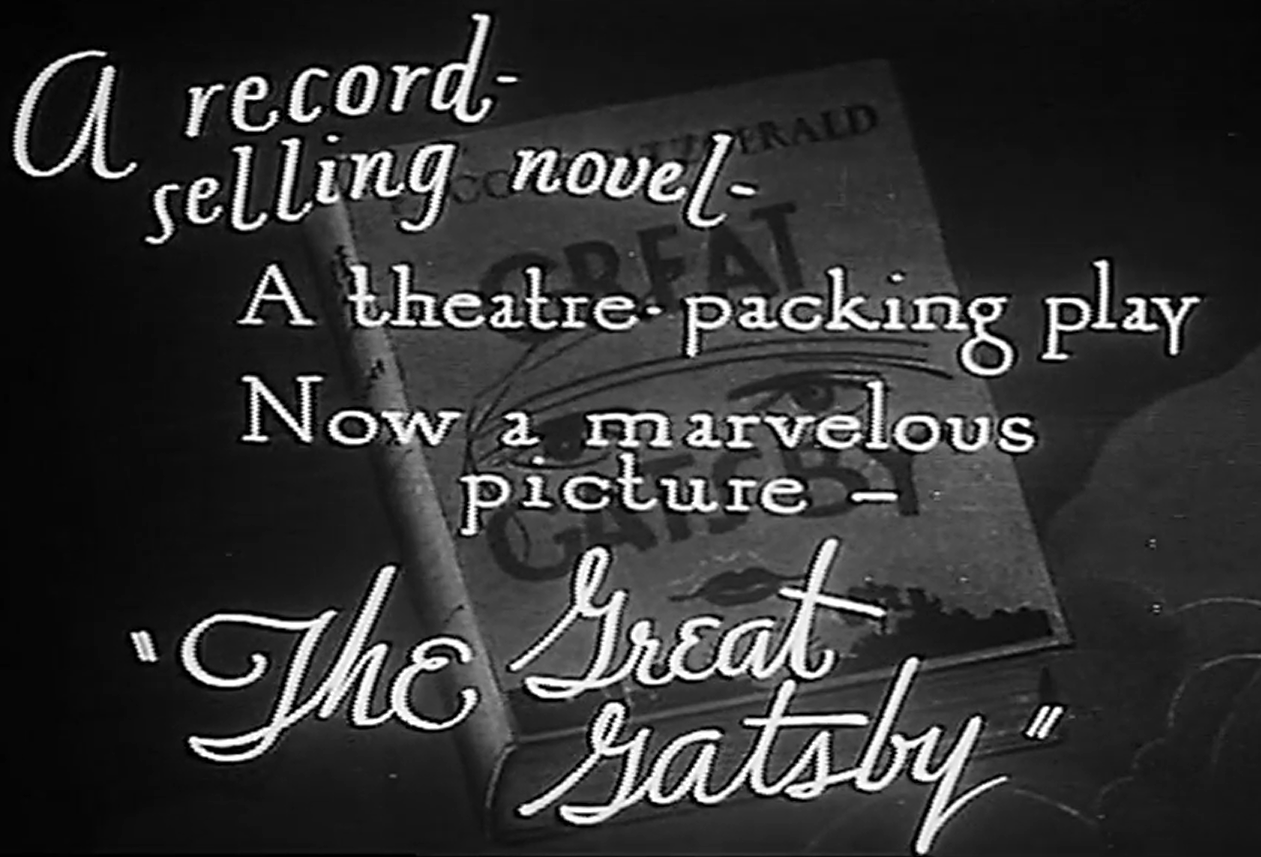
EL: I find it fascinating. When I did my doctorate, I did that in 1920s literature. So that's always been my focus. The whole Hemingway, Fitzgerald, expatriates, that whole era of literature, music, the early Jazz Era, and the films just go with it. There are times where it all comes together, where you can find pieces of the original silent film version of "The Great Gatsby," that kind of thing. It's basically the era, and I found an expression of that era that I can actually work with. I mean, if you have a text, you have a text. There's not much you can do. You can go through and, you know, count how many commas there were, whatever, all that really 'interesting' PhD stuff. But I just sort of moved from the book to the film.
And it's fascinating, the level of expertise in these films. I mean, there are no computers. There's no CGI. Everything is done basically in the camera…the double exposures…all the kinds of things that they were able to do. And then you get the stars…Valentino and Swanson…all of these people, and it's just, to me, a much more interesting era of filmmaking than what we have now, which is kind of like… [Ed makes a face that suggests he is not a fan of our contemporary era of filmmaking.]
I mean, I did get through "The Odyssey." I did make it through that, but…It's just a personal preference. And it's also surprising how many people out there who are now fans of silent films because of the recent restorations that have brought more films to the public, Turner Classic Movies, making these things available. They have a huge audience. To the point now when they do the TCM Festival in Hollywood, it always includes silent films
PE: I'm interested in your interest in preserving the past, and why it's important to you to share this with the wider world.
EL: I think it's important to preserve film because, I mean, books and music, there's no real issue in preservation, but in films there is. And there are any number of films that have burned up in vault fires, that have rotted in cans, that have deteriorated to the point where only a few clips survive, and it's sort of a race against time to see what you can save, working with various archives. And the archives are not at fault. I mean, they don't have the staff to go through and look at 10,000 cans every week and check to see what state the film is in.
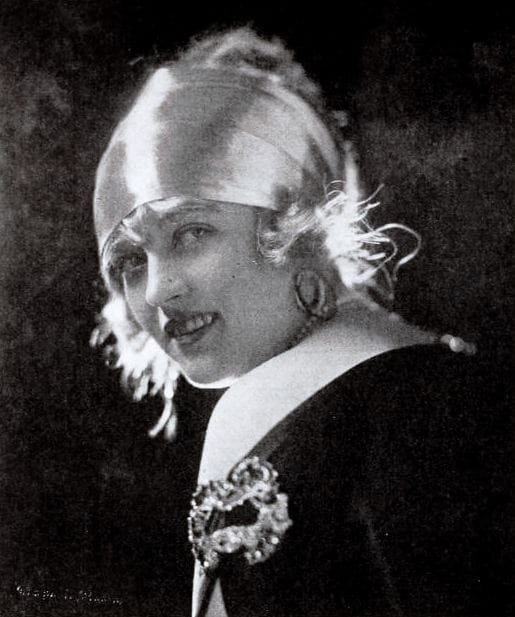
When I originally started, my obsession was Marion Davies. The first project I sold to Turner Classic Movies was a film called "Enchantment." I rescued nine Marion Davies films and restored those. I wrote a book, "The Silent Films of Marion Davies." And then it's expanded beyond that. Obviously, there were only so many films that Marion made…I keep finding interesting characters from the silent film era, whether they were actors or directors, people that…you like their work or you like the story or you find one film and it's like, "Wow, this person's really good, what else can I find?" And so every little lead is a possible lead to something else…
If you have even a vague interest in silent films, you can get involved. You can do something. You can back projects, or if you don't want to spend money and back projects, you can roll up your sleeves and do something yourself. The films are there, waiting to be saved. You don't need a degree from Eastman House or New York University or UCLA. You can just do it. If you want to do it, you can do it. And the more people like me who get involved, just because they're interested in it, the more films get saved.
PE: Do you use Premiere, or what are your tools?
EL: I use something called Movavi, which is some European film editor. Wondershare. Those are the basics, and they're just over-the-counter; you pay 50 bucks for it, you download it and go for it… I'm still working on an old desktop Windows 8. You don't need fancy computers…you just need to want to do it. And then you get involved in the various [silent film restoration communities], whether it's on Facebook, Nitrateville is one of the major gathering places, and you just do it…You don't have to be somebody who's got a mile-long string of courses in film production. With today's technology, basically it's open, anybody can get involved, and you don't have to work on feature films. There are two-reelers and one reelers and just all kinds of stuff out there.
PE: That's exciting to think about.
EL: The bizarre thing is that on the one hand they'll say 75% of all silent films are gone forever, but they don't know that, because there are new discoveries all the time, and we haven't come close to restoring the 25% that they think does exist.
This is the first of a two-part interview Previous Engagement did with Edward Lorusso. Part two will center on a surprising hot-spot in silent film production: Augusta, Maine. Stay tuned to learn more about how dozens of films were made in Maine's capital town, and what Lorusso is doing to bring them back.
Hey, here are some previous Previous Engagement entries:
Czechoslovakian travel posters and the formation of a national identity
Reframing the last year of the Civil War
Putting presidents on our walls
Affiliate links disclosure: Previous Engagement will receive a small commission on purchases made through Bookshop.org's affiliates program.