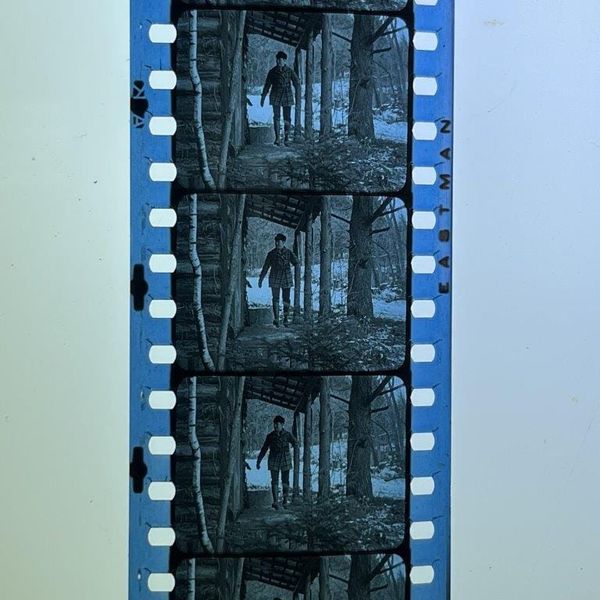
"The Story Is Still Growing" - The Curious Afterlife of a North Woods Silent Film Studio
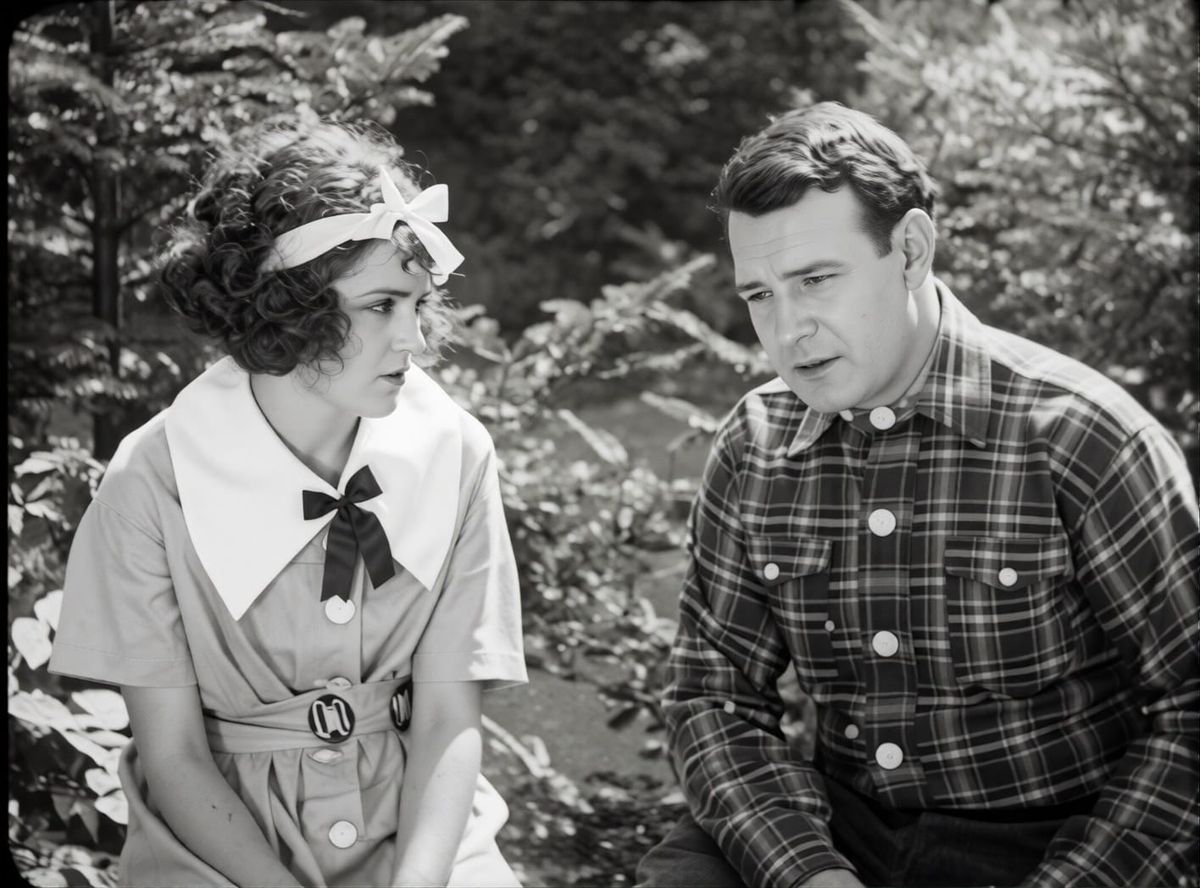
After he retired from a career as a teacher and technical writer, Edward Lorusso moved to central Maine, where he did what I'm sure most retirees probably do: embark on a mission to find and bring back to the public eye forgotten short films from the silent era. Lorusso's project is not only rooted in time, but in place. He hunts for films produced in Augusta, Maine, in the late nineteen-teens and early nineteen-twenties. There are a surprising number of these. Or at least, there were. Of the dozens of films made in the state's capital city during the second Woodrow Wilson administration, only a handful survive. Lorusso is not convinced there aren't more out there, somewhere.
On a recent summer afternoon, he told Previous Engagement about the silent film industry in central Maine. He described the funny way we continue to build on this body of work, how these films and their history have been passed along, tenuously, over the past century.
[This is the second part of Previous Engagement's interview with silent film historian and restoration producer Edward Lorusso. Read part one here!]
PREVIOUS ENGAGEMENT: Can you tell me about some of the specific films and characters and makers from this part of the world?
EDWARD LORUSSO: From this part of the world, you mean Maine? My history here is that I worked at a men's store in Augusta in the early 1970s when I first moved to Maine. And at the end of the street, on Water Street in Augusta, was the Colonial Theatre. And at that point, it had already closed in 1969, and was now a warehouse and the marquee was gone. I mean, if you walked by, you wouldn't know what it was, except that it stood out as being this huge, humongous brick building. I asked my boss, "What is that building at the end of the street?" And he said, "Oh, it's the Colonial Theatre. My family used to own that." And he gave me some basic information about the silent era, and that it had run up through 1969 and then apparently, like so many other small town downtown theaters, the audience was gone and they closed up and they sold the building.
But anyway, that got me interested in that building and this whole thing about Edgar Jones. He told me that they had had their own studio in Augusta, their own film studio…
[The interviewer's eyes widen, as if slightly stunned by this information.]
And that's what I did also. It's kind of like, "Really?" I mean, at that point when I was that young, I just assumed movies had always been made in Hollywood. I had heard that they made movies in New York and Chicago and everything, but, you know, Augusta didn't usually come up on the list of places where movies were made.
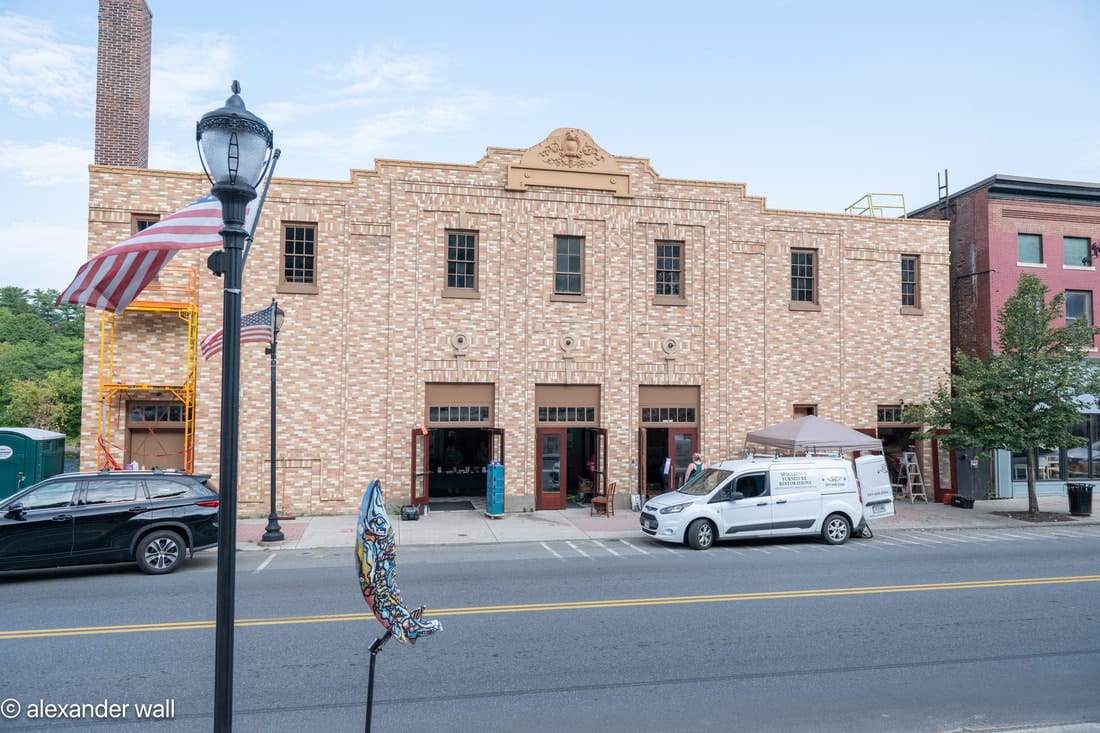
So this was just sort of always in the back of my mind. And then again in 2013 when they [re]opened the Colonial, and I had moved back to Maine at that point to retire and went in, and it was like no time had passed. I mean, here I was and I was actually in the theater and talking to people, and everybody just knew little bits and pieces, but nobody knew a lot about the silent film era. So I took that as my cue and decided, "Well, I'm going to look into this." And what I found was that there actually were some existing films. There were five films that survived from this period. I got hold of these films, and it was like, "Wow!"
These are two-reelers. [Ed. note: two-reelers were 'short' films, running around 20 minutes] Made in 1919, 1920, 1921, and they're made in the studio in Augusta. The story there is that this local businessman, William B. Williamson, who was a cousin of the old man that I had worked for back in the 1970s, was an entrepreneur, and he owned all the theaters in Augusta. He owned several other kinds of amusement spots around in the area, and he decided that he would like to produce films in Maine. And so somehow he got in touch with this actor named Edgar Jones, who had been a director and actor at Lubin Pictures between 1912 and 1916, and had been freelancing as a director. And in July of 1919, they created Edgar Jones Productions. And they handed the whole thing to Jones and basically said, "Go for it. Create a studio."
And so he [Jones] hired some actors and a cameraman. Hired a bunch of local actors, electricians, carpenters, packed up their things, went off into the woods and made movies. In 1919. In that era, you could do that. You just put the camera on your back and drive off into the woods someplace. And the films are good.
PE: Yeah?
EL: The oldest one is "Border River," 1919. It stars Edgar Jones, and he produced it and he directed it. And Evelyn Brent is the leading lady, and she would go on to be a big star in the late silent era. Her career went on into the '30s and '40s. It's a story about moonshiners. People come over the border from Canada, and they're doing this moonshine business. And Edgar Jones is in love with the woman, Evelyn Brent, and her brother is the head moonshiner. So here you've got the conflict. And that one survives. That one starts out with Jones, and he plays a Canadian Mountie, coming across the old iron bridge on Water Street in Augusta, a block up from the Colonial.
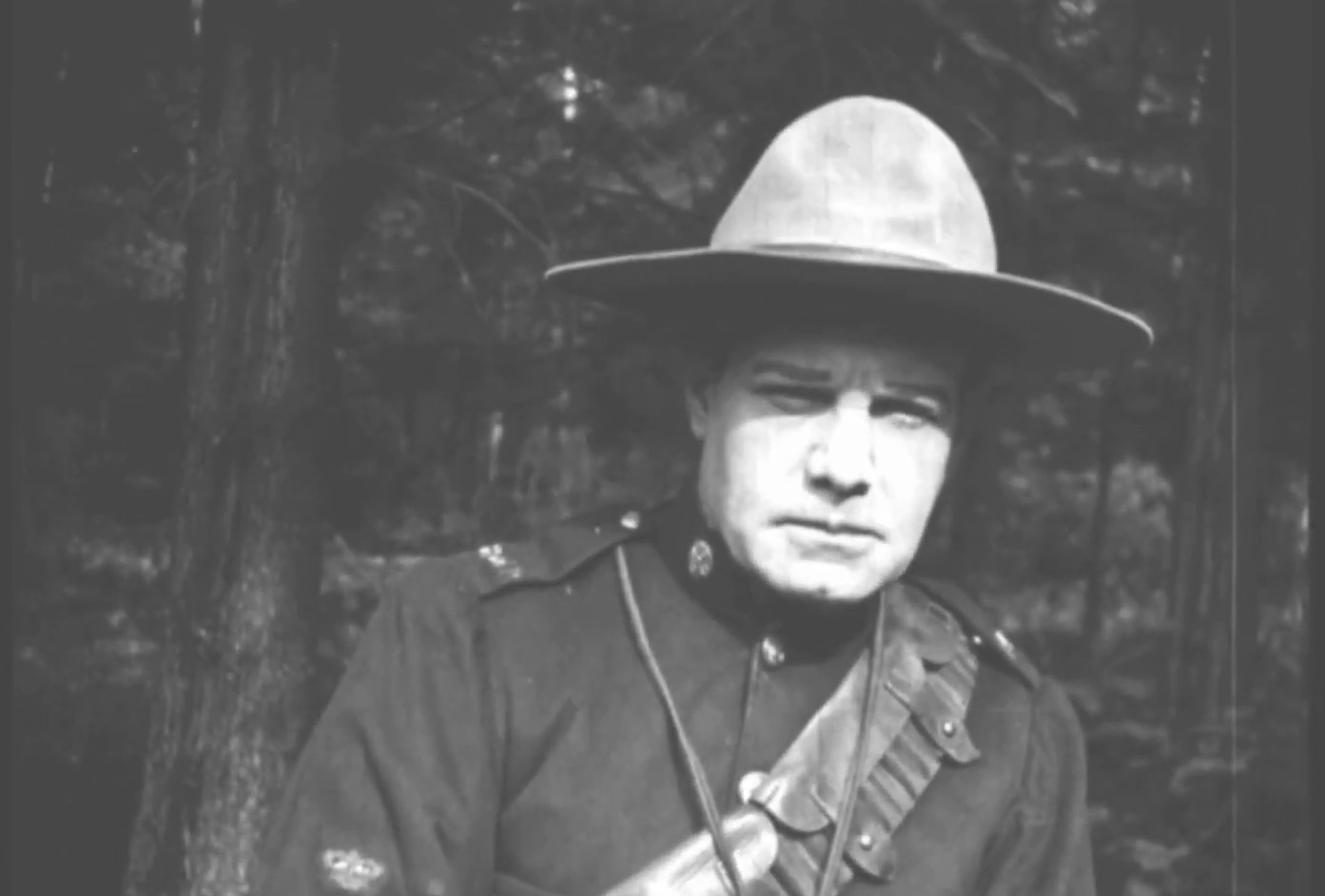
Another one that survived was "Cupid, Registered Guide," and again, filmed someplace along the Kennebec [River] somewhere. Jones is the 'Forest Cupid,' and he's helping the leading lady, who at this point was Edna May Sperl, who's a favorite of mine, to marry the man that her father does not want her to marry. So he gets involved in it, and it's this whole big story.
And then there were two other films that survived, [found in] the British Film Institute. And these were made after Edgar Jones had left the company. He had been ousted by Holman Day, who was a local writer from Vassalboro who basically wormed his way into the company and then took over the company, and Edgar Jones left.
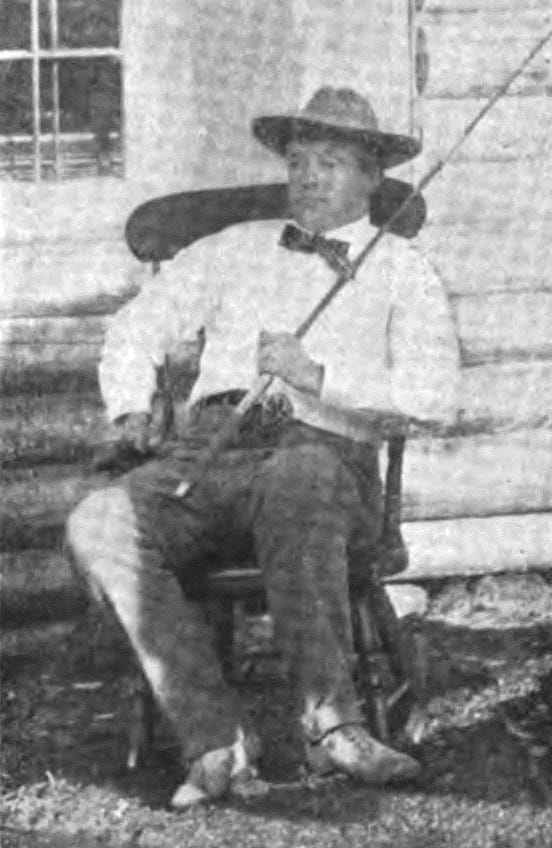
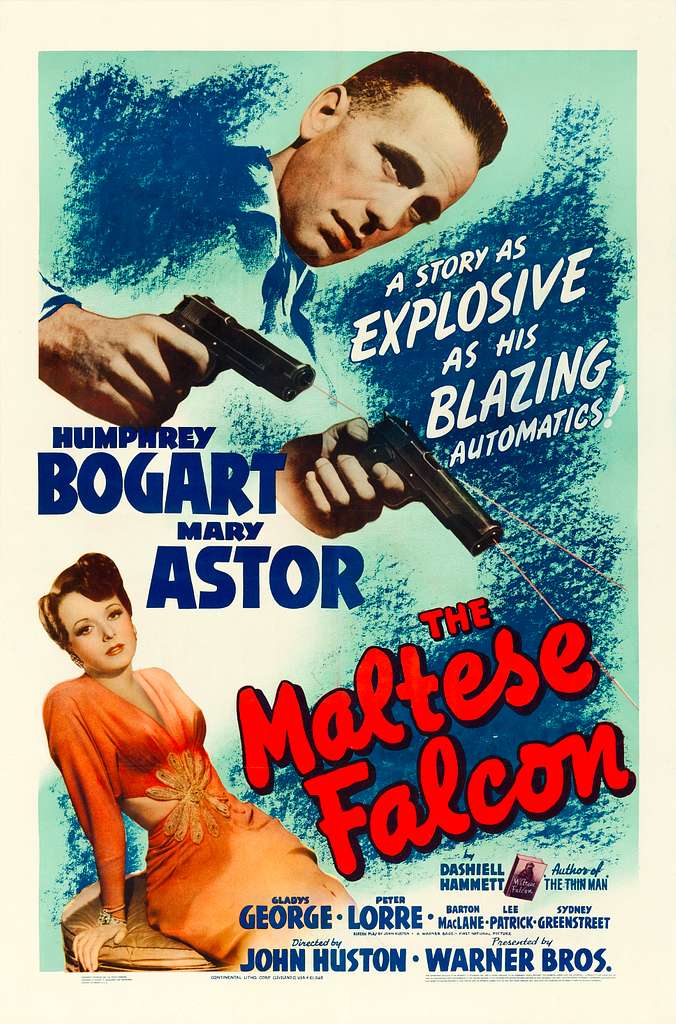
Edgar Jones made 24 or 25 in films in a little over a year. The leading lady for the Holman Day films was Mary Astor. Future Oscar winner, major star, she's 15 years old, and here she is in Augusta. The films are sort of like westerns, but in a forest setting. And when they set these up, they were listed to be "North Woods Dramas." And that was the idea, that they would take advantage of what Augusta had to offer, which was woods, the Kennebec River and the environs.
They did some comedies, as well. Personally, I think the films are terrific. When you talk to somebody about this, you can see that they're going, "Oh my God, home movies." But they're not. They're professional films, with professional actors and real cameramen who were known within the industry, and produced, directed and starring Edgar Jones, until Holman Day took over. And I think they're a great find.
I think it's just a really great period of time. And it was sort of completely forgotten until a documentary filmmaker named Everett Foster in the '70s came upon some reels of film, and he made a 30-minute documentary called "All But Forgotten." And so that's sort of a jumping off place. And now here we are, fifty years after that, and we're still adding to the story, because I have found three Edgar Jones films just in the last couple of years that didn't exist when Everett Foster was making his documentary. So the story is still growing.
I show these films locally. People love them. Over the last couple of years, starting in 2023, we started a silent film festival, and it's built around films that were made in Maine that I can find. And the Edgar Jones films are always a major part of this. And the few times we've been able to do the show in the Colonial, we've got a fairly big screen and it's just the way the films would have been shown in 1921. So it recaptures that whole thing of a live audience, with live music, on a big screen, and it's great. And these films go over really well. Every single time, somebody comes up with something like, "That was my grandfather in that film."
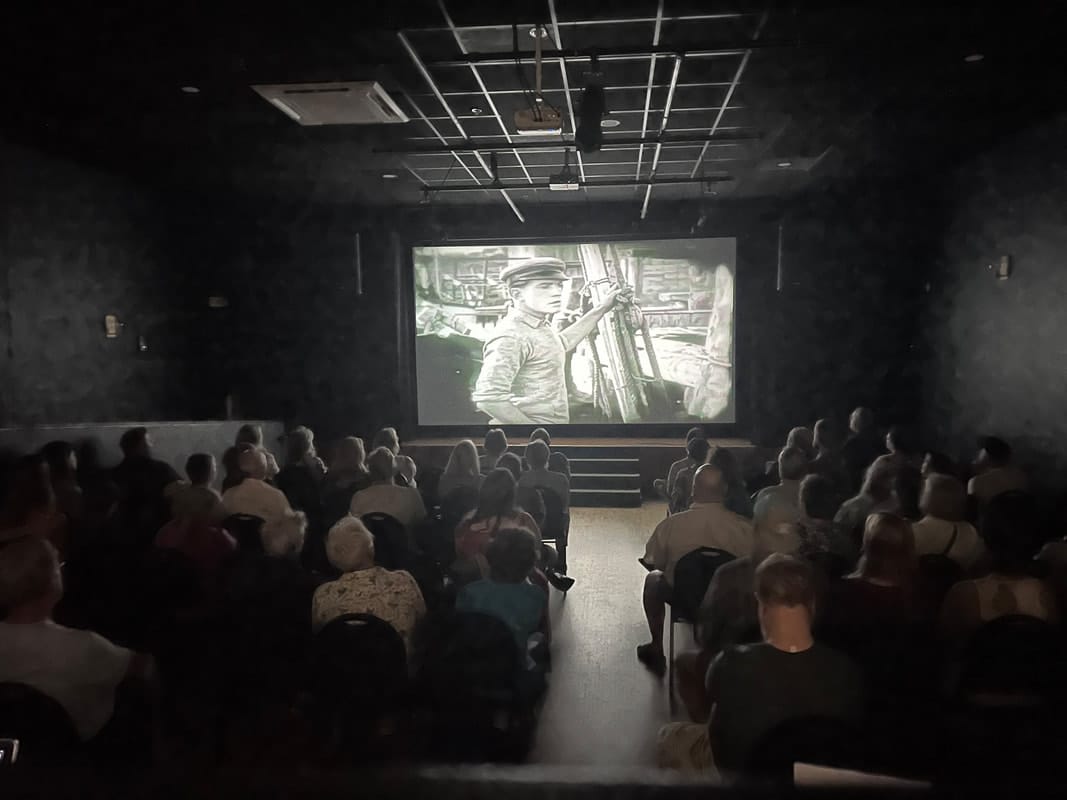
Everything keeps adding on, we keep getting more and more and more, people recognize buildings, they recognize just bits and pieces of things, so it still has that personal connection, and I think with a lot of other people, they look at it and it's just that, "Oh yeah, wow, that's the Maine, I remember," that Maine from the old days, where Augusta is like 90% dirt roads, you know, that kind of thing.
It's just a fascinating world, and it's still there for us to to look at because of these silent films.
PE: Why were so many of the Edgar Jones films lost?
EL: First of all, they were two-reelers, so they didn't have the prestige of the feature film. They're probably lost also because the company went bust by the end of 1921 after Holman Day took over and ran it into the ground. And there was no preservation then. Nobody thought anything about it. There were no archives that were, "Oh my, we must save these films and put them aside someplace." So they basically just disappeared. Anything that got saved is basically just by accident. You know, if they got saved, they probably got saved decades after the fact.
There are probably more still out there. Or not. I mean, there's no way of knowing. But we have the newspaper clippings showing the premieres of each film in the Kennebec Journal, [the] premiere of each film at The Colonial Theater in Maine. [An] article saying how when an Edgar Jones film played at The Colonial, it was standing room only. Because everybody came. Everybody came to the theater, because they knew all the people that they saw on the screen. Even if you weren't in it yourself, it's like, "Oh, there's my Uncle Joe, and there's, you know, Aunt Mary," and whatever, it was a real thing, a real event. When Jones was making the films they would purposely ask people to come and watch and maybe be in a section of the film, you know, people walking on a sidewalk, that kind of thing, just extras.
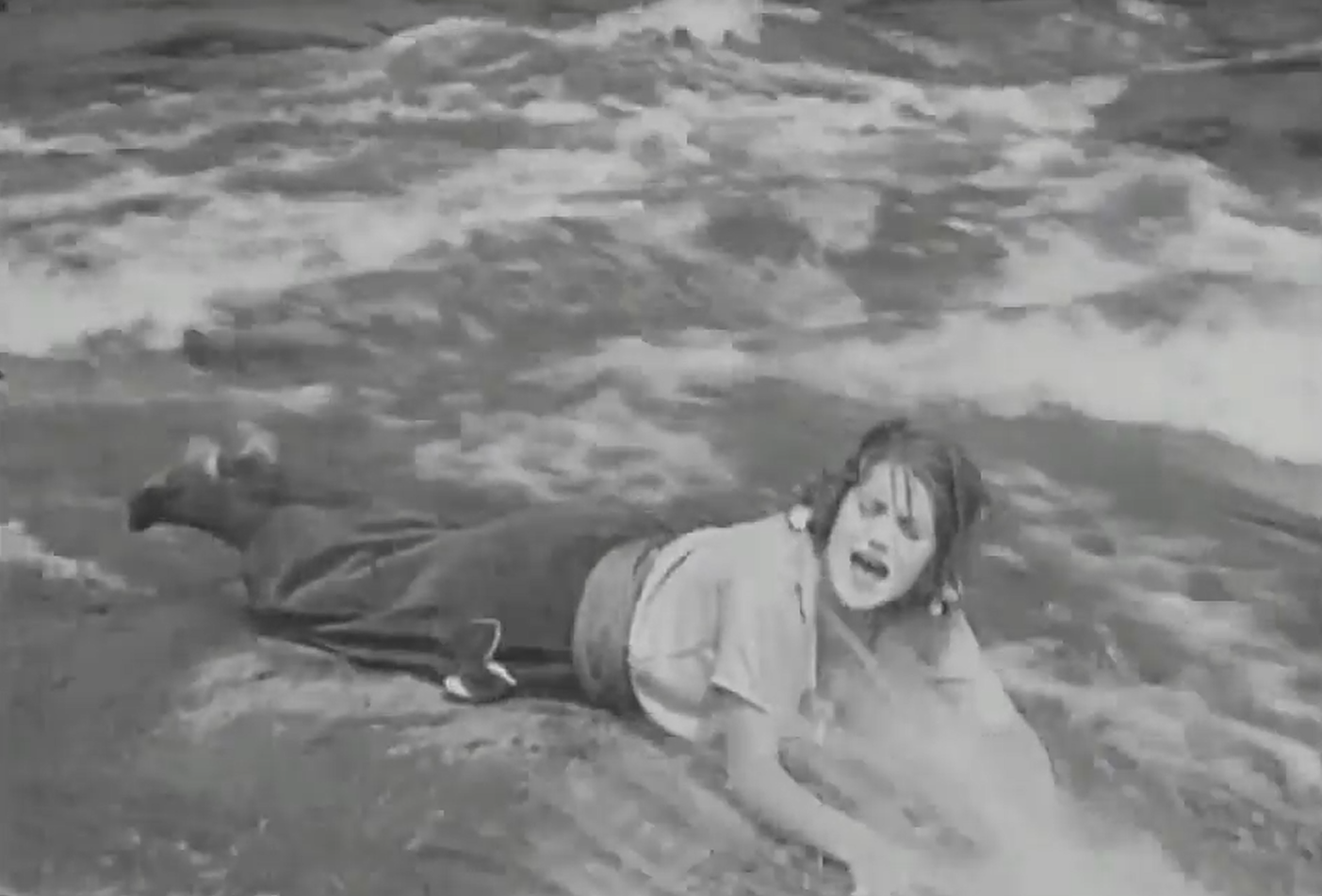
I've just found two films just in the last year. "Caught in the Rapids" was the first one that I found at the Library of Congress, in the collection of Larry Smith. And it's a terrific one where the Edna May Sperl character goes off in her canoe after gathering lilacs on the shore, and she forgets her paddle. So there she is, she's in the river and she's caught in the rapids. And so there she goes shooting down the rapids, and they filmed this in the Ripogenus Gorge upriver [in Piscataquis County, Maine] to get rapids, because the Kennebec doesn't really have rapids, and it's just this great film. And she ends up on a rock, because of course the boat capsizes in the rapids and she has to be saved by Edgar Jones. And you get this great shot of Edna May Sperl on a rock in the middle of water someplace, and you can tell that off on the sides there are guys with buckets of water, throwing water on her to make it look more realistic. You just know that that's what they're doing, and it's just great.
The next one I found, completely by accident because it was mistitled, and I've got a friend who's the vault manager at Library of Congress, who will actually go and look at the film as opposed to just going by library notes, catalog notes. And they had it cataloged as something called "Into the Current." And I'm looking at it, it's like, well, there's no film with that title. But when George went and pulled it, he said "This is definitely Edgar Jones." And there was one frame on the 35 millimeter film with the title: "In the River." Just that one frame. And that's what gave us the positive identification of that film. "In the River." So now we have this one which was found completely by accident. And there would have been no way that that would ever have been found. So you wonder how many other films might there be that they didn't bother to list the title. Or they've just made up a title because maybe that was missing on the film, who knows? And this one, "In the River," was filmed in Gardner [Maine], and what they did there to create the rapids was they opened the dam gates. And filmed. And so that one, Evelyn Brent is the leading lady. So there's Evelyn Brent in a canoe, trying to get through the rapids to save Edgar Jones, who's been knocked out and set adrift and about to go over the falls.
PE: How widely were these films distributed back in the day?
EL: Originally they would have been shown all over the world. The early ones were distributed by Arrow, which was a major distributor of films, and then they switched to Pathe. Two of the films were found in the British Film Institute. They had to get them, I mean, they must have been on the exhibition chain. There may be films sitting in any foreign archive, and I've contacted as many as I can get hold of to say, do you have any films? And usually the answer is "no," but you never know. I mean, somewhere along the line, somebody may come up with more of these films.
PE: Is there a 'holy grail' film that you hope to find?
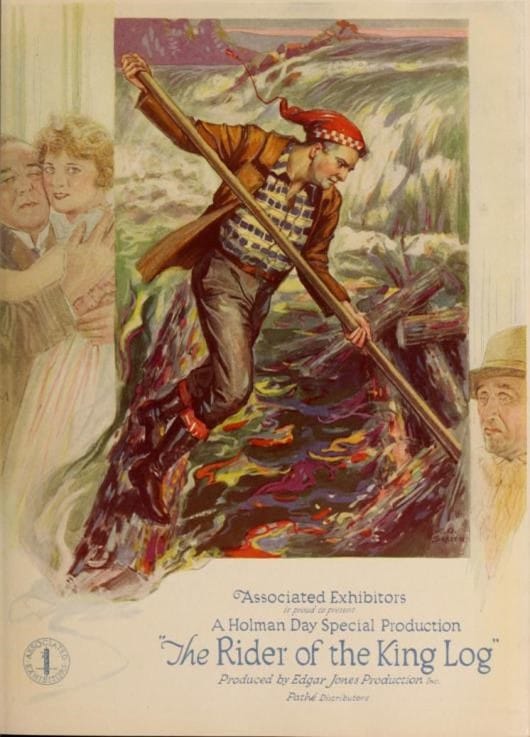
EL: For me, there's one called "Quicksands." It's from 1920 or 1921, and it got a good write-up in the Kennebec Journal, because Edgar Jones played a villain, not the hero. And in the film, he dies by quicksand. Hence the title. And the story was, there's not a lot of quicksand in Augusta. So what they did is, they found a marshy spot someplace, and they dug a big hole, and they filled it full of oatmeal and bran, to give it that ooze. And when they filmed it, Edgar Jones, who was probably 5'10 and probably 200 pounds, I mean, he was a fairly stocky middle-aged guy at this point, he walks into the pit, and sinks down into the quicksand pit. And they were instructed to film it until he goes all the way down and under, and then film it while the bubbles come up and, you know, X amount of time, and then pull him up. Well, they did. He went down into the oatmeal pit and they filmed it. When they went to pick him up, what they didn't count on was the suction. And it took like 12 guys to try to get him out of this oatmeal pit. He almost really died in this stupid oatmeal pit because they were trying for realism. So that one is one. I mean, who wouldn't want to see that, knowing the backstory to that? And they just miscalculated. Maybe if he had only weighed 150 pounds, there wouldn't have been as much of an issue, but that's the nature of quicksand. It's that kind of suction that, once it's got hold of you, it just pulls you down. You don't just say, "OK, OK, I'm done, up, up I come." The other one, the obvious one, is the feature film, "The Rider of the King Log," which was the first feature length film produced and shot in Maine. That's been lost for decades. I think everybody has been looking for that, just because it was the first that was made by Edgar Jones. Edgar Jones started it and then that's where the problem started.

Holman Day was sort of a narcissist type, and Jones probably was too, and they were both sort of type A characters. Holman Day always complained that the film wasn't quite what the story was, and Jones would counter, "Well, it's a different medium. It has to change. It has to be something filmed. It has to move. You can't have five pages of foliage," that kind of thing. They were always at each other, and eventually, Holman Day got outside investors and came to William B. Williamson and said "If you give me the company, here's this money from outside investors, and I'll give you exclusive rights to my novels and stories." So Holman Day was in, Edgar Jones was out. And that was the end of that.
And then Holman Day finished "Rider of the King Log," and it was distributed, and then he made only three of the two-reelers.
PE: When you watch these films, especially the Edgar Jones ones…how does it feel?
EL: It's really weird, because I almost feel like I have a personal connection to these films. I mean, I'm not the long lost grandson of Edgar Jones or anything, but just because of my own bizarre history of having seen this theater in the '70s and getting the backstory and holding on to that story over the next five decades, for no particular reason. I don't know, I feel a direct connection to these. Because I'm working on them now and I'm restoring them, and I'm getting them shown and I'm making the arrangements for the music. I mean, it's obviously all about me at this point, but I feel like now I'm part of the story of these films.
So the story keeps going, audience members keep coming to see these films. And it's not just the Augusta films. Maine had a history of being a silent film location. Going back to, like, 1910, the Vitagraph Company would come to Maine in the summer. They would come to escape the city heat in New York City. Vitagraph would pack everything up, they'd come to Maine, they'd move to the Portland area for the summer, and they'd keep making films all summer long. Maine, for a while in the 1910s and up to the early 1920s, was still a place where filmmakers came to make films. It's not just Edgar Jones and Augusta. There were things going on elsewhere in the state. My main connection is Edgar Jones, just because he was here and now I'm here.
...
This is the second of a two-part interview Previous Engagement did with Edward Lorusso. Part the first had Ed talking about the joys and challenges of restoring silent films.
Gentle readers, did you know there exist even earlier Previous Engagement entries? By gum, there are, here:
Czechoslovakian travel posters and the formation of a national identity
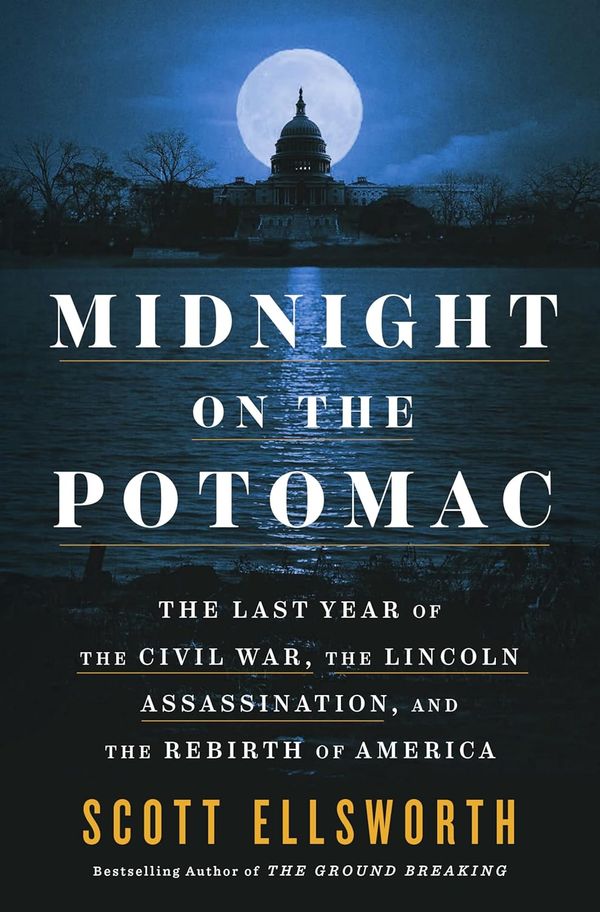
Reframing the last year of the Civil War
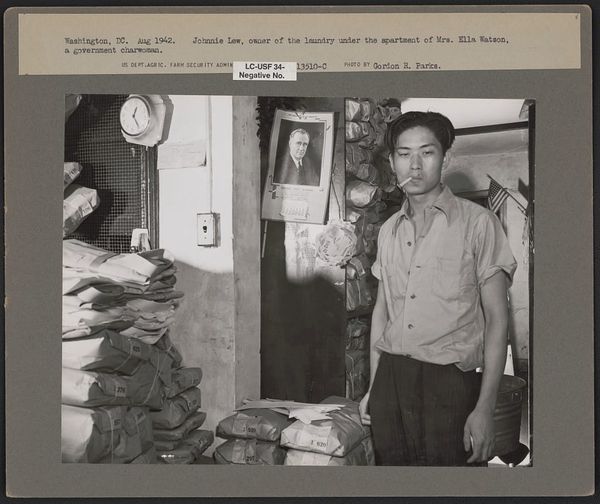
Putting presidents on our walls
Affiliate links disclosure: Previous Engagement will receive a small commission on purchases made through Bookshop.org's affiliates program.
No generative AI was used in the writing, editing or making of these pieces, because f@#$ that noise.